


 Date of Establishment:
Afghanistan Food Improvement Project 2013
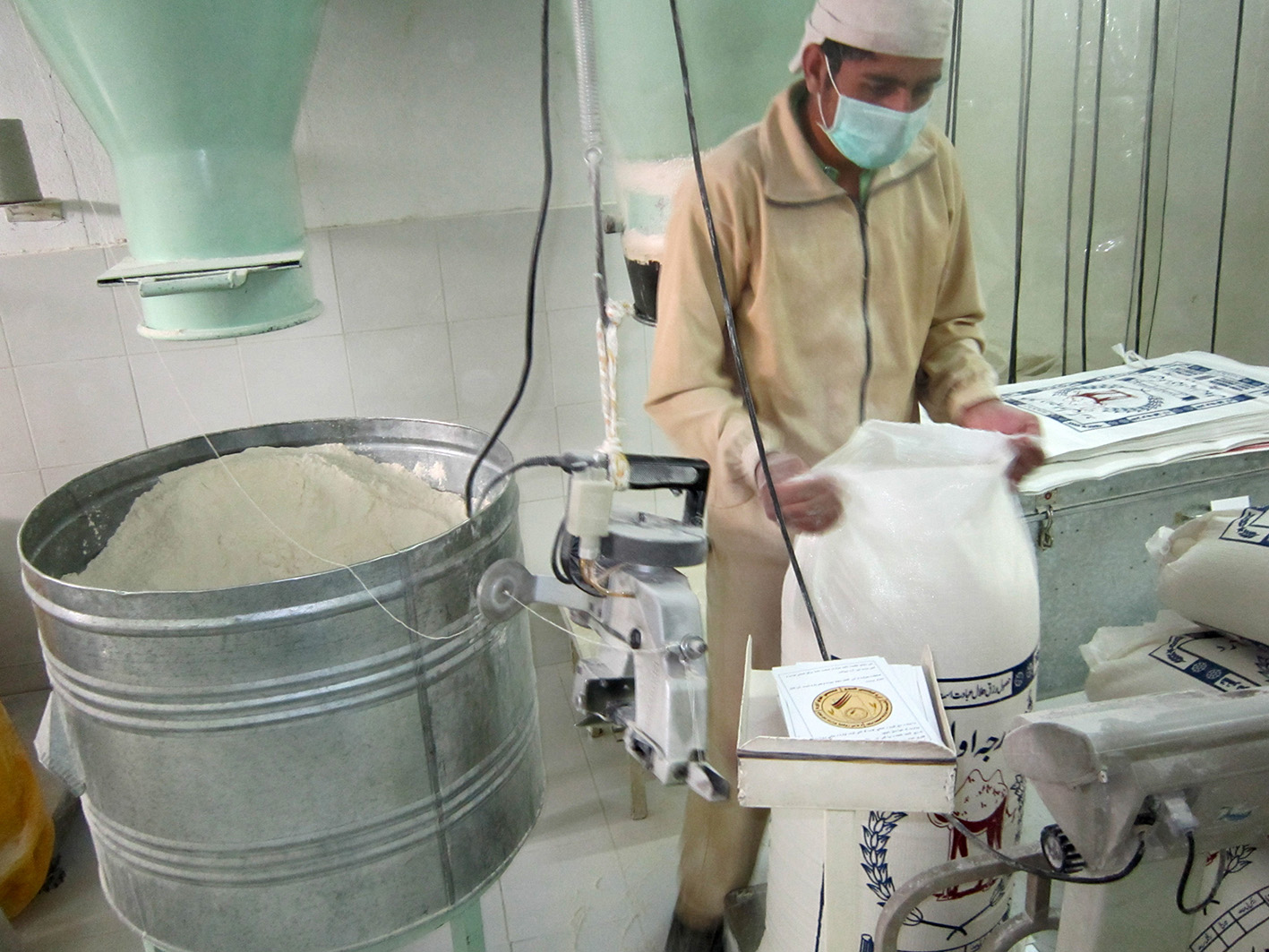
Afghanistan Food Improvement Project 2013
The food improvement project funded by the Khalifa Foundation for Humanitarian Work in Afghanistan and implemented by the Global Food Improvement Foundation has gone an important way of implementation, benefiting about 15 million people, who represent about half of the population of Afghanistan.The first major project in this phase is to provide four basic foods on a large scale in Afghanistan which are wheat flour, oils and margarine in addition to table salt. Technology has been introduced in the production of nutritional supplements based on fats and nutrients to treat and prevent severe acute malnutrition in children and pregnant women and are made available in health centers and local markets in Afghanistan.The Global Jane Foundation issued a comprehensive report on the project in early July, indicating the stage the project reached within the framework of the Food Improvement Agreement in Afghanistan between the Khalifa Foundation for Humanitarian Action and the Global Jane Foundation, and it highlighted the progress made within the framework of the three components of the agreement, namely the fortification of basic foods. Promoting salt and micronutrient-rich foods, advocating for proper nutrition, and building capacity in the public and private sectors for nutrition.With regard to fortification of basic foods and salt, the Jane Foundation, with the help of the Khalifa Foundation for Humanitarian Works, expanded the project of multiplying locally produced wheat flour, whereby 12 mills were able to produce about 30 thousand tons of fortified flour annually.Jane International also supported the iodizing to salt project and is working with key partners to achieve the goal of universal sustainable salt treatment, through which at least 80 percent of households receive adequate iodized salt.The report stated that the goal of these projects, upon reaching their implementation on the largest scale, is for 15 million people, or an average of 50 percent of the total population of Afghanistan, to annually be able to use oils and fortified vegetable margarine, 5 percent of the use of fortified wheat flour, and about 80 percent of families Use iodized salt adequately.The report set the final nutritional goals for these projects, most notably reducing vitamin A deficiency by 30 percent among children under the age of five and 20 percent among women of childbearing age, and working to reduce iron deficiency anemia among pre-school children and women of childbearing age and from Then fight malnutrition among children between the ages of 6 months and 5 years.


 Donations


638270814528849490.png)


